
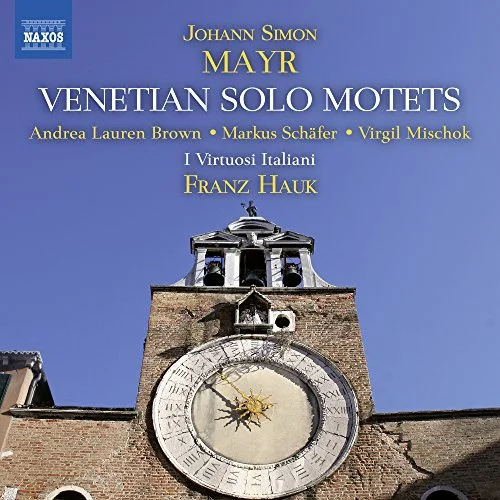
Description
:
The 18th century flutist Joachim Kwanz wrote a brief definition of the Italian motet in one of his treatises. According to this definition, a motet consists of “two Latin arias of religious content, a recitative, and concludes with a Hallelujah (praise God),” but the actual form varies, with some omitting the recitative and others adding an aria. A typical example is Mozart’s “Exultate ubilate K165,” but many other works exist. The motets by Meir were also written in that style, and many of them were composed for the girls living in the Ospedale (charitable orphanage) in Venice. Maile made fine adjustments for the voices of the singers, and his works seem to have been very popular among them. However, the C minor motet at the end has a power and darkness that overwhelms the rest of the work, and there is no Hallelujah praising God, although the second half is a bit brighter. This is a full-bodied performance by Meir’s scholar, Hauck.




Reviews
There are no reviews yet.